Market Analysis
The Impact of the EU Deforestation Regulation on the Agriculture Industry
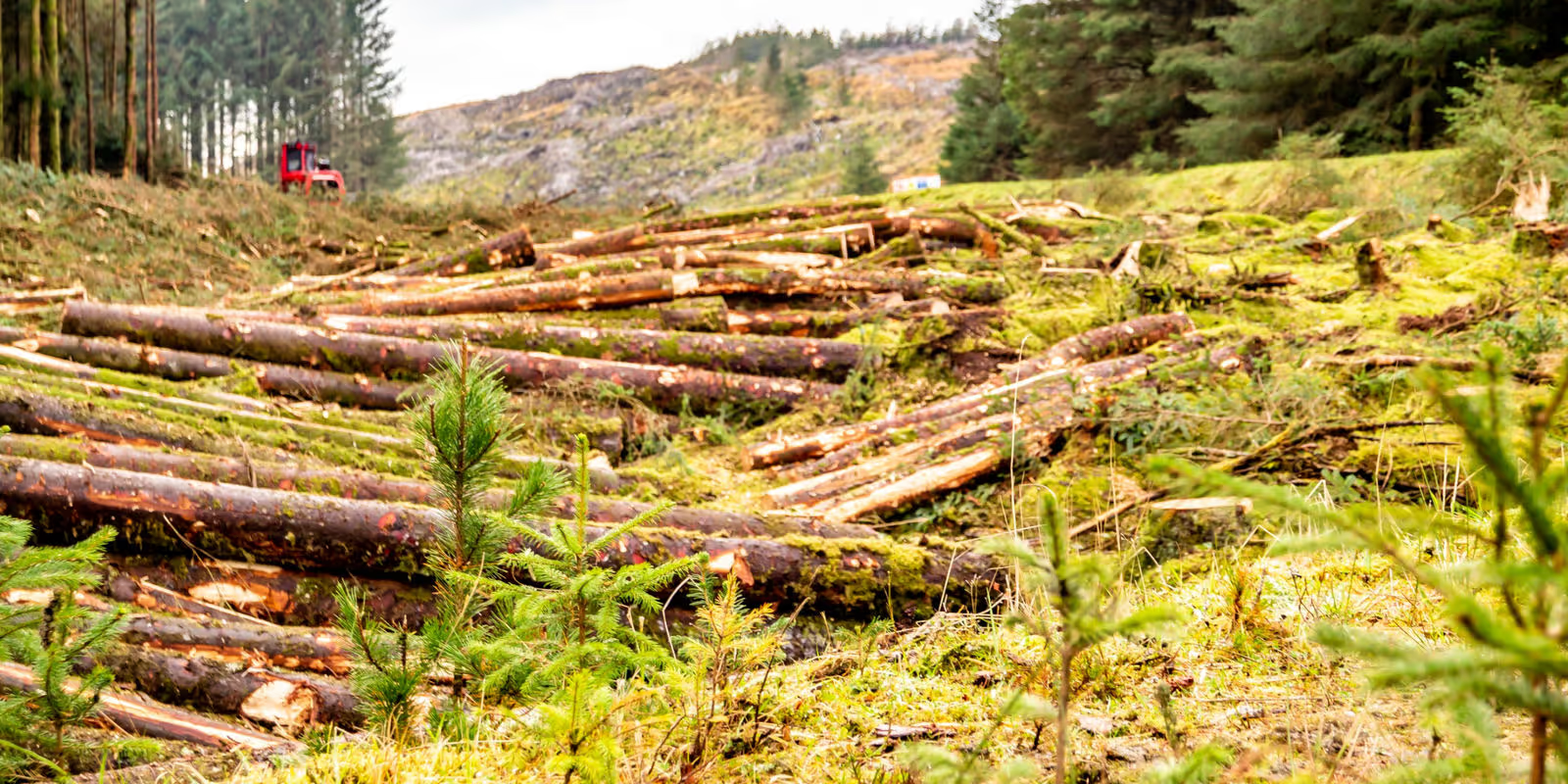
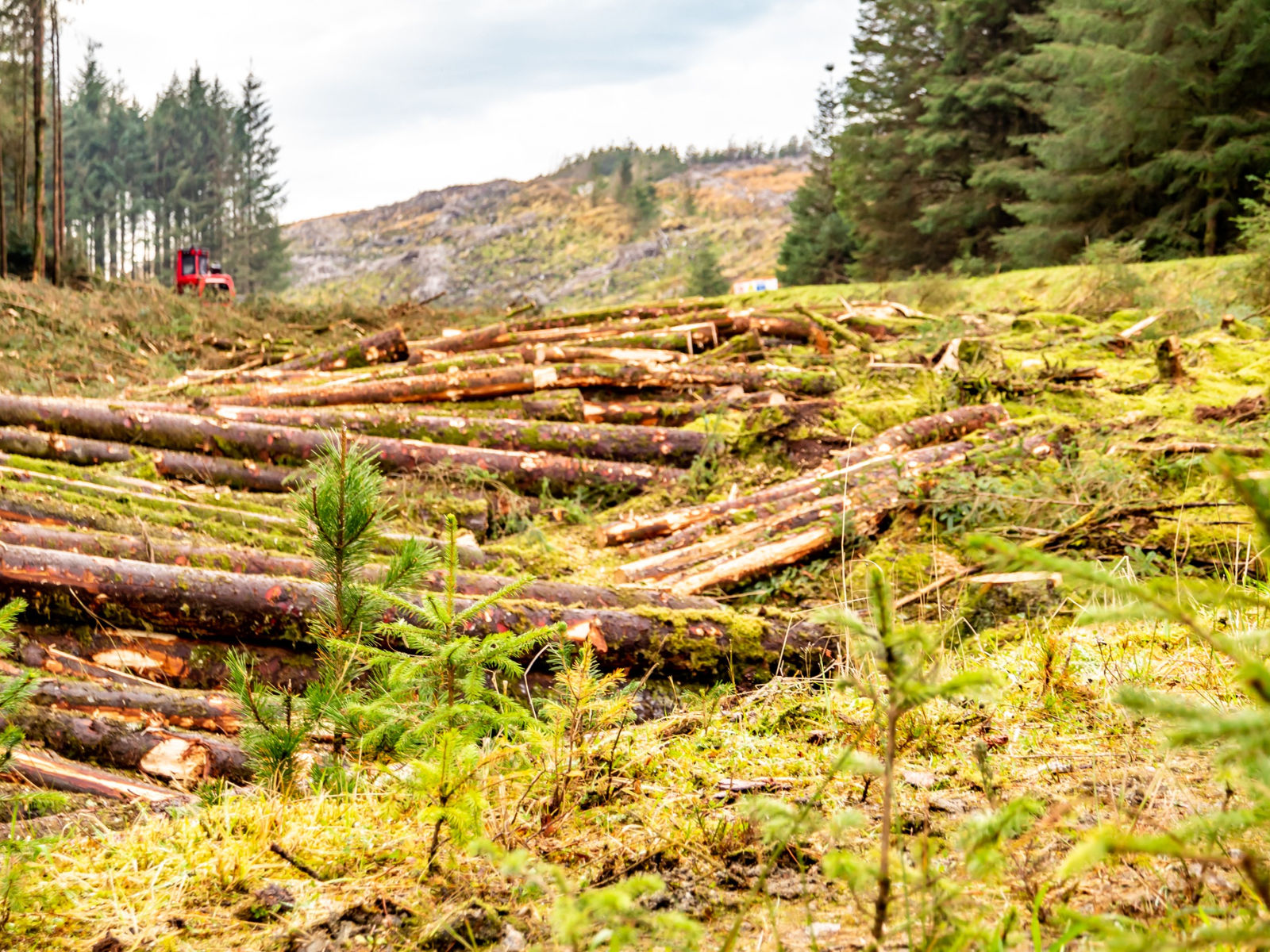
The European Union Deforestation Regulation (EUDR) represents a significant shift in the global agricultural supply chain, particularly for key commodities like soy and corn. In its effort to combat deforestation and environmental degradation, the EUDR mandates that all agricultural products linked to deforestation or forest degradation after December 31, 2020, must be banned from entering the EU market.
This legislation is part of a broader push toward sustainability, and while it poses challenges for producers, it also presents an opportunity to modernize and improve agricultural practices. The regulation’s core focus on traceability, through precise geolocation data, sets the stage for the future of agriculture.
Understanding the EUDR and Its Implications for Soy and Corn Farmers
For agricultural producers, the EUDR demands strict adherence to traceability protocols. Commodities like soy and corn—among the most traded globally—are now under heightened scrutiny. The regulation requires that all commodities be tracked from the plot of land where they are grown to their final destination in the European market.
For farmers, this means that they will need to ensure that their plots of land can be accurately geolocated. For plots larger than 4 hectares, this involves detailed polygon mapping to outline the boundaries of the field, while smaller plots can be traced with a single coordinate.
This level of precision ensures that every batch of agricultural commodities entering the EU can be traced back to its exact origin—a critical step for verifying compliance with deforestation-free standards.
The Role of Remote Sensing in EUDR Compliance
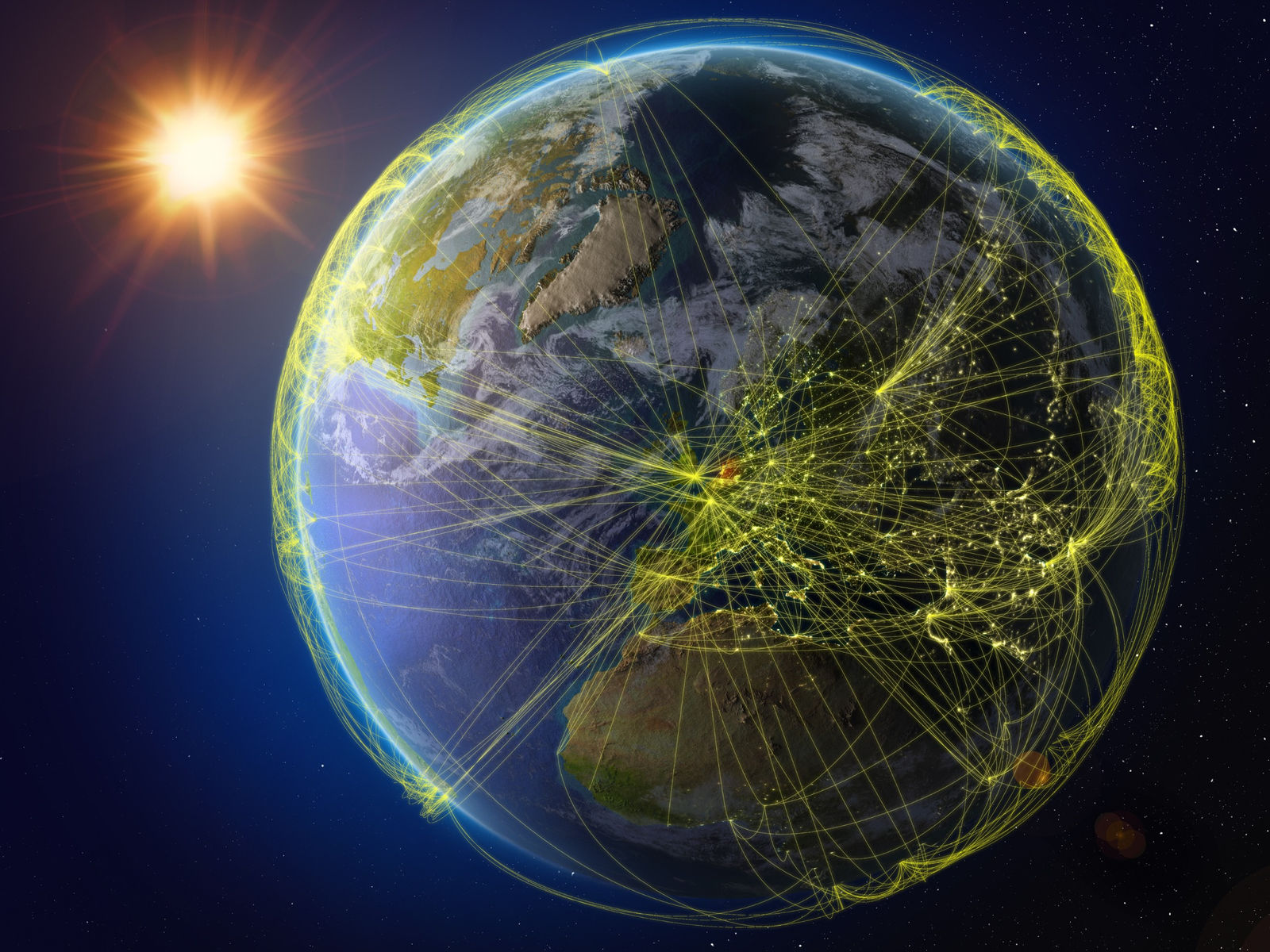
Companies like SatYield are already making such data available via its AI-based satellite technology, primarily for the purpose of yield monitoring, mapping, and forecasting.
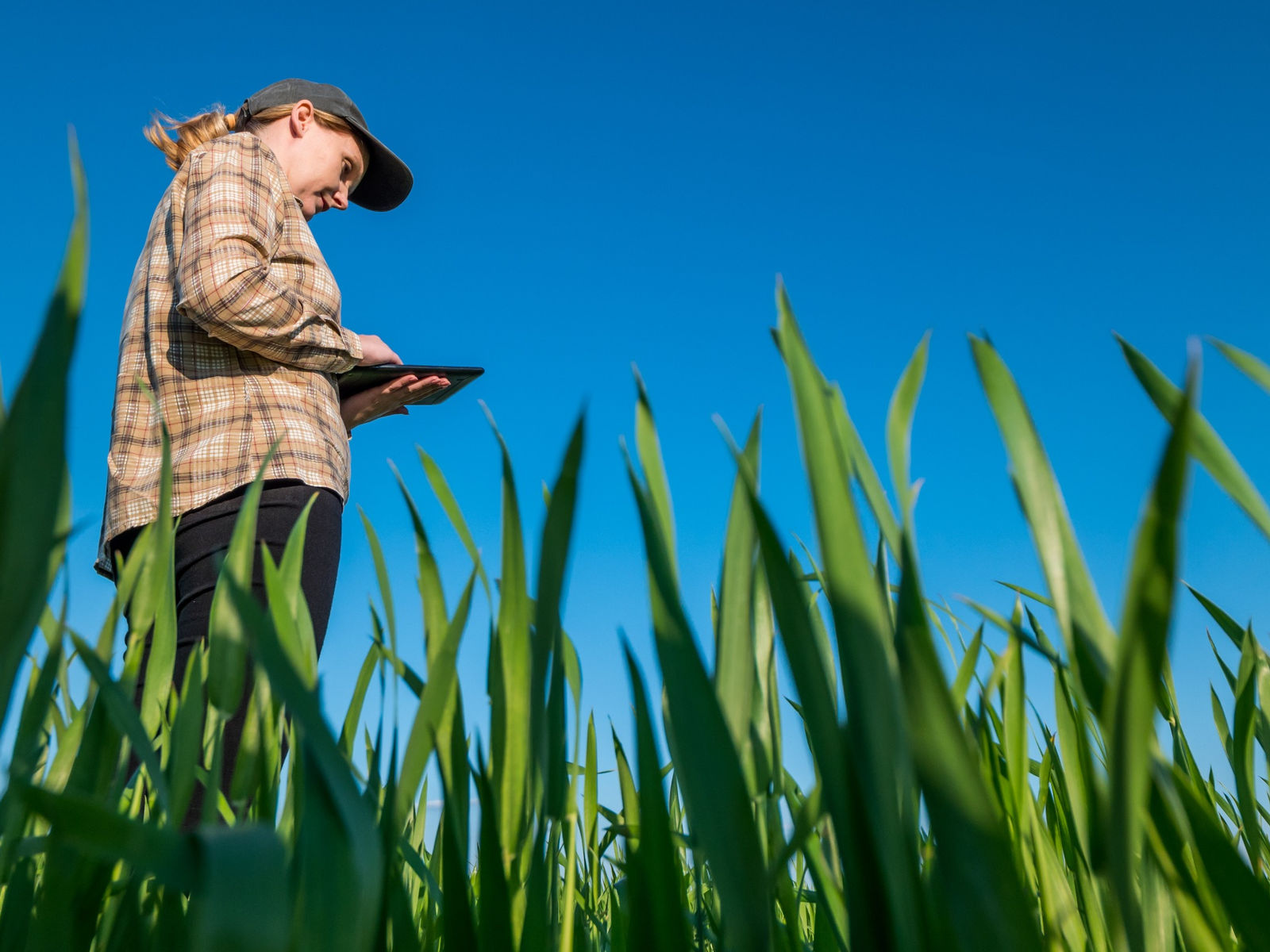
Automated systems for data collection and verification, such as those integrated with satellite monitoring tools, will allow for real-time updates and immediate corrective measures when discrepancies are detected, companies like SatYield are working to bridge this gap, democratizing yield data and providing affordable solutions to farmers worldwide.
Want to stay in the know with cutting edge agriculture technology? Join our beta waitlist to receive exclusive access.
more from the blog