
Market Analysis
Emerging Growing Regions 2026–27: Where the Frontier Is Shifting in Global Crop Production
Why We Need to Look Beyond the Usual Pillars of Global Supply
For decades the world has treated the United States, Brazil, and Argentina as the core of global crop production. They still anchor global supply and will for years. But the landscape is shifting. Several fast-growing regions are now expanding acreage, strengthening infrastructure, and improving climate resilience at a pace that is hard to ignore. These areas are not yet household names in commodity markets, but they are moving into the next tier of relevance.
If you are watching only the traditional exporters, you will miss where the next real supply signals emerge. Frontier regions are becoming meaningful contributors, and their sudden jumps in output can reshape expectations long before the major producers report their own numbers. Monitoring these zones early is no longer optional. It is becoming a strategic necessity.
A New Phase in Global Production Dynamics
Global crop production is changing faster than most analysts realize. While traditional agricultural intelligence has long focused on countries like the United States, Brazil, and major regions of Europe, some of the biggest signals of future supply are emerging outside these power centers.
Frontier regions are expanding acreage, improving resilience, and attracting new investment, yet much of this activity goes unmeasured until harvest. That lag creates blind spots for traders, procurement teams, and policymakers.
The good news: digital-twin–based monitoring can close those gaps.
Why will emerging global crop production regions matter more in 2026–27?
Several structural forces are pushing agricultural expansion into nontraditional regions. Climate change is altering where key crops can thrive, shifting growing zones northward and into higher-altitude or previously marginal lands. This phenomenon is well-documented by the IPCC and global climate modeling efforts, which show that certain temperate and subtropical belts are migrating at an accelerated pace.
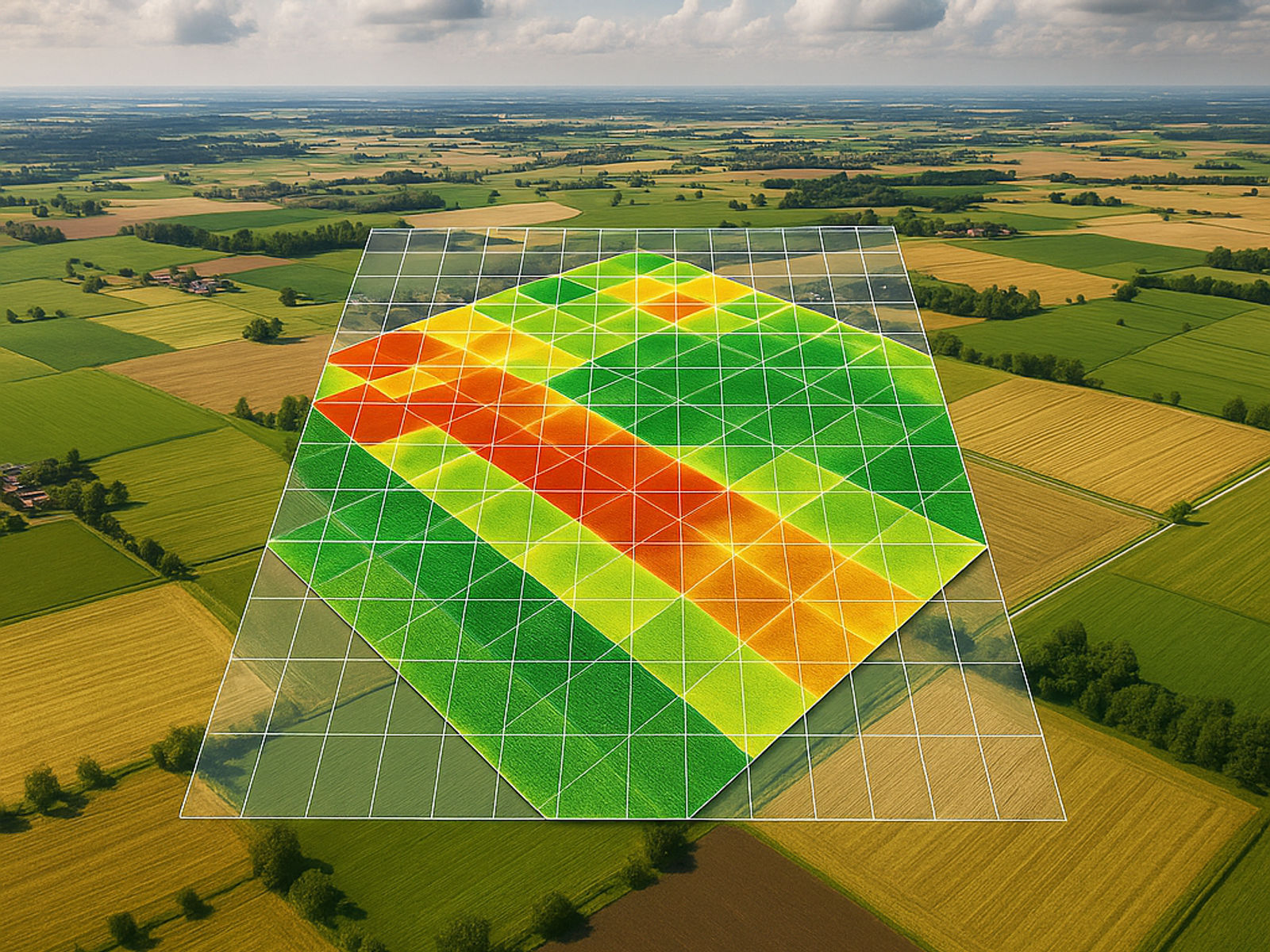
At the same time, targeted infrastructure investments — especially in irrigation, seed systems, and rural logistics — are enabling production increases in regions that historically lacked stability or market access. Governments and multilateral institutions such as the World Bank have intensified funding for climate-resilient agriculture, particularly in Africa and Asia.
Finally, the supply chain disruptions of the early 2020s made both private and public sectors rethink their dependence on a narrow list of exporting nations. As companies diversify sourcing strategies, smaller or emerging producers gain strategic relevance. But without high-frequency monitoring, most of these regions remain poorly tracked, leaving traders and buyers with limited forward visibility.
How is the East Africa maize corridor emerging as a 2026–27 growth zone?
The maize-producing belt stretching across parts of Kenya, Tanzania, Uganda, and Ethiopia is undergoing a notable transformation. Improved seed varieties, often drought-tolerant and early-maturing, are increasing both acreage and yield potential. The region has also seen steady investment in storage and input distribution networks, helping farmers adopt higher-performing hybrids.
However, climate variability remains a major challenge. Rainfall distribution has become more erratic, with dry spells, late-onset rains, and shifting monsoon patterns affecting planting dates and crop establishment.
Digital twins, which combine satellite observations, radiation models, and crop-physiology dynamics, offer a way to detect stress in East Africa’s maize zones weeks before conventional assessments. Early-season monitoring is especially valuable here because local reporting often lags, and field surveys may be delayed or incomplete.
What does Ukraine’s winter wheat rebound reveal about frontier resilience?
Despite ongoing conflict and instability, parts of Ukraine’s winter wheat zone have shown pockets of stabilization. Some of the central and western oblasts have experienced partial infrastructure recovery, allowing producers to resume more regular planting schedules. Yet relying on official statistics alone can be misleading, given the difficulty of field verification in an active conflict zone.
This is where independent, conflict-resilient monitoring becomes essential. Synthetic Aperture Radar (SAR)-based digital twins can capture planting progress, overwintering conditions, soil moisture, and spring growth stages even when access is restricted or reporting channels are disrupted.
Organizations like the Food and Agriculture Organization (FAO) have emphasized the importance of independent monitoring for global food-security modeling. For commodity markets, this means fewer surprises when export volumes or milling-quality supplies shift during the season.
Why is Southeast Asia’s dry-season rice becoming a strategic indicator crop?
The dry-season rice systems of Vietnam, Thailand, and Cambodia are undergoing major adjustments stemming from El Niño recovery patterns. Many farmers have shifted planting dates to capture late rainfall or preserve irrigation reserves. Water stress remains a defining constraint, particularly where reservoir levels and transboundary river flows fluctuate.
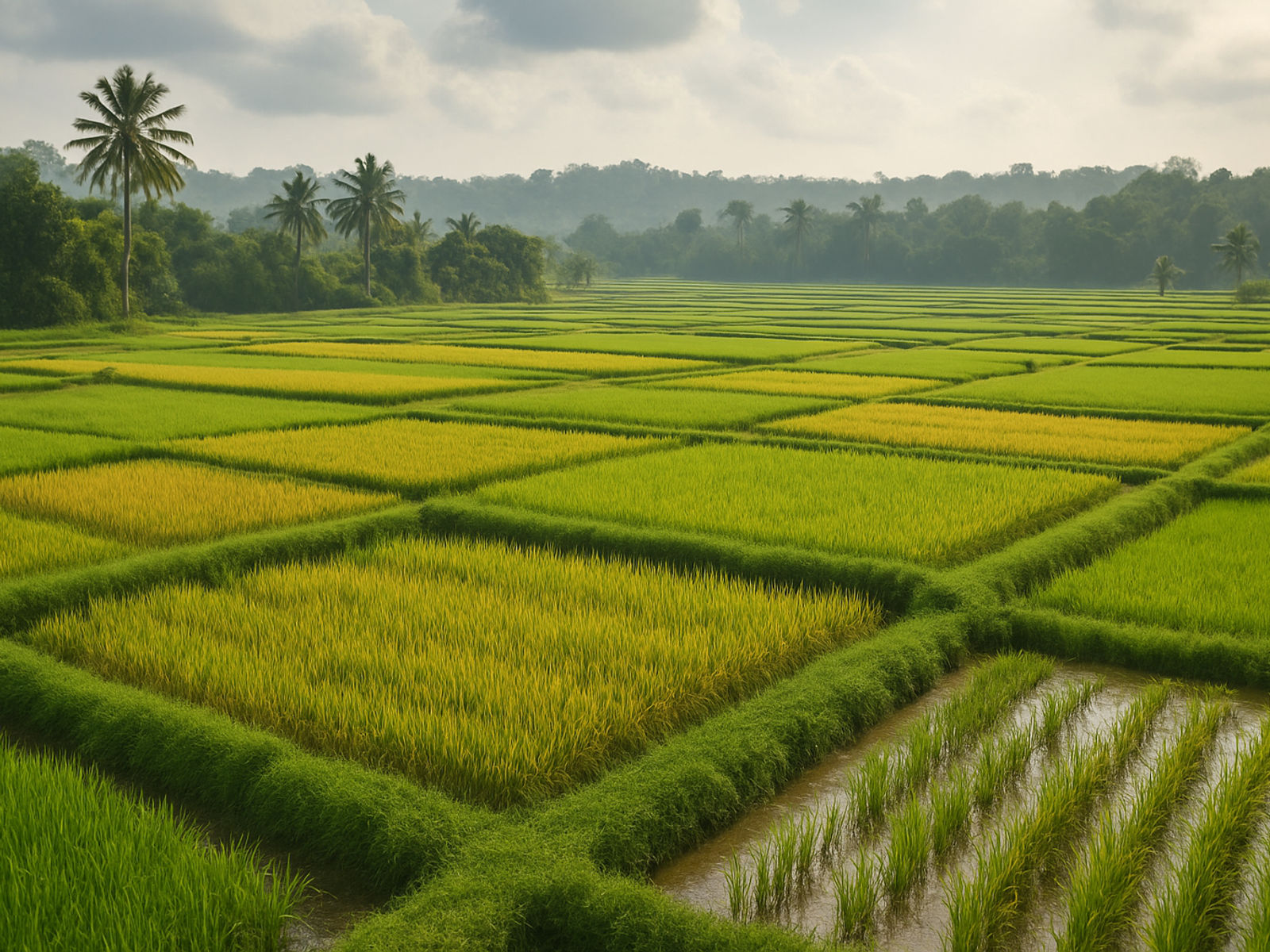
Because of these dynamics, yield volatility in dry-season rice is often underestimated. Traditional models rely heavily on historical trends, which break down during climate-cycle extremes. Digital twins help quantify plant-water relationships, track irrigation scarcity, and project yield ranges with greater accuracy. For markets dependent on Southeast Asian rice exports, these early signals shape procurement strategies and food-security planning.
What is currently missed in global monitoring of emerging regions?
Several blind spots persist across frontier agricultural zones:
Sparse or inconsistent government reporting
Field surveys limited by access, timing, or resource constraints
Underestimated yield-recovery potential after climate or geopolitical shocks
Early-stage stress signals invisible to optical imagery or conventional forecasting
These gaps create downstream uncertainty for traders, grain handlers, insurers, and humanitarian organizations. Without physiological modeling, which uses mathematical and computational methods to create simulations of biological processes, many early-season inflection points remain hidden.
How does SatYield approach the expansion of global monitoring?
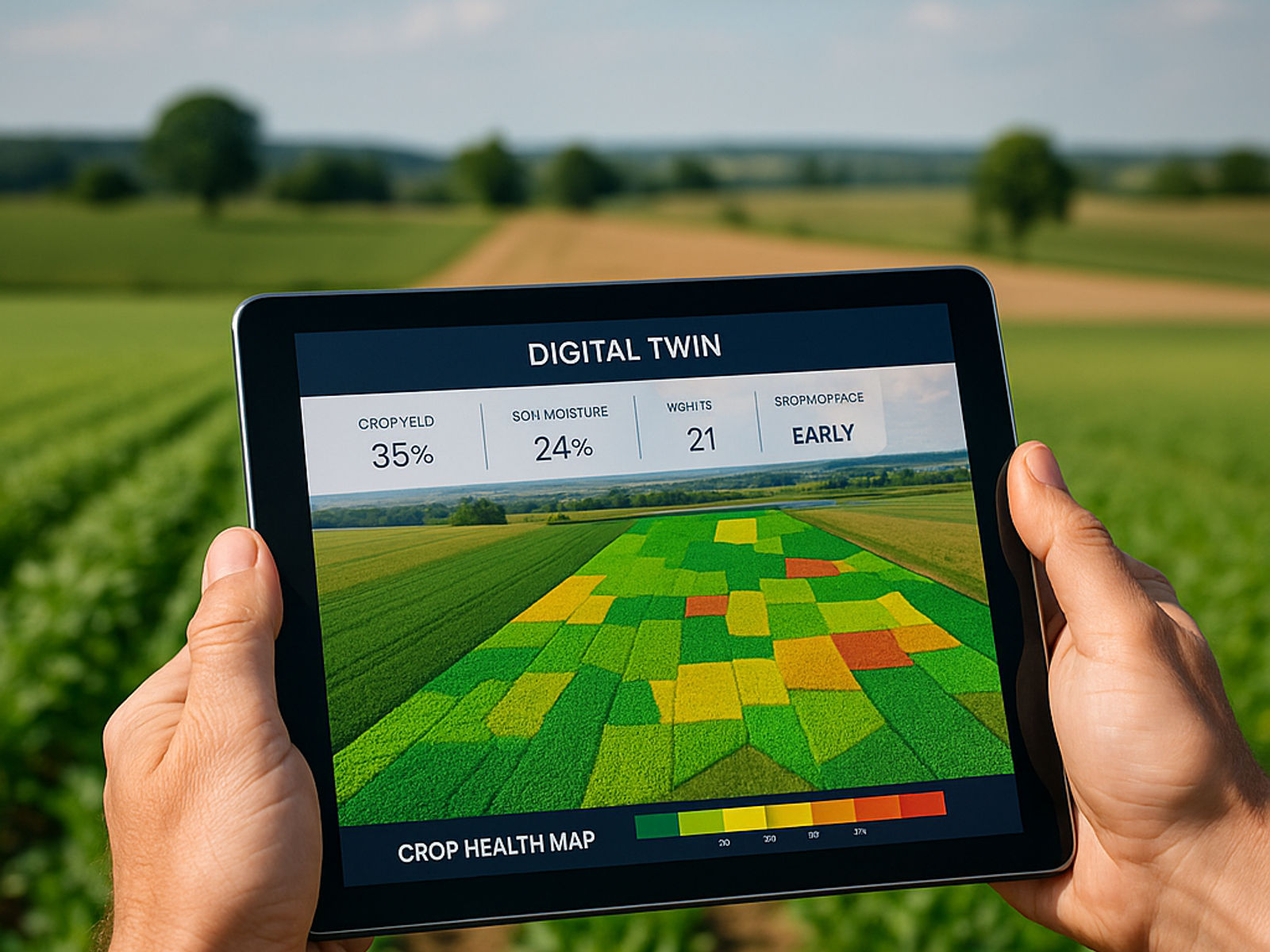
SatYield’s digital twin platform was built for scalability. Our physiology-based models can be rapidly adapted to new regions, even where historical data is limited. Because the system relies on satellite-driven signals, radar observations, and environmental inputs rather than dense ground networks, new geographies can be onboarded with low data requirements.
Once active, each region receives high-frequency updates that inform traders, procurement teams, and food-security analysts about evolving production signals. Whether monitoring East Africa’s expanding maize belt, Ukraine’s winter wheat resilience, or Southeast Asia’s dry-season rice variability, SatYield delivers continuous, actionable intelligence.
How can global analysts get early access to frontier-region monitoring?
As production shifts beyond traditional power centers, the ability to detect early signals in emerging growing zones becomes a strategic advantage. SatYield is launching a frontier regions early-access program designed for analysts, procurement teams, and financial institutions seeking an edge in global crop visibility.
To join the program and see how digital twins transform global agricultural intelligence, reach out to SatYield for early access.
more from the blog