
Market Analysis
The 45Z Tax Credit Is Real—Here’s How It Could Reshape U.S. Biofuels and Ag Markets
The Inflation Reduction Act introduced a wide range of clean energy tax incentives, but one of the most talked-about is the new 45Z tax credit. Also known as the Clean Fuel Production Credit, 45Z is designed to encourage low-carbon fuel production, offering potentially significant financial benefits for qualifying producers starting in 2025.
Now, as final guidance takes shape, fuel producers, farmers, and traders are preparing for the shift it could bring to U.S. agriculture. Understanding how this credit works—and how to prepare for it now—could be a game-changer for your bottom line.
What Is the 45Z Clean Fuel Production Credit, and Why Does It Matter?
Unlike earlier incentives tied to specific fuel types, 45Z takes a technology-neutral approach. Its structure rewards carbon intensity reductions across the board, creating market signals for more sustainable fuel inputs and more consistent domestic sourcing of those feedstocks.
Once implemented, this credit could shift the economics of biofuel production in a way the industry hasn’t seen since the early days of the Renewable Fuel Standard (RFS). But this time, it’s not just about mandates. It’s about margin, and that’s what could reshape U.S. agriculture.
How Could 45Z Influence Planting Decisions Across the Midwest?
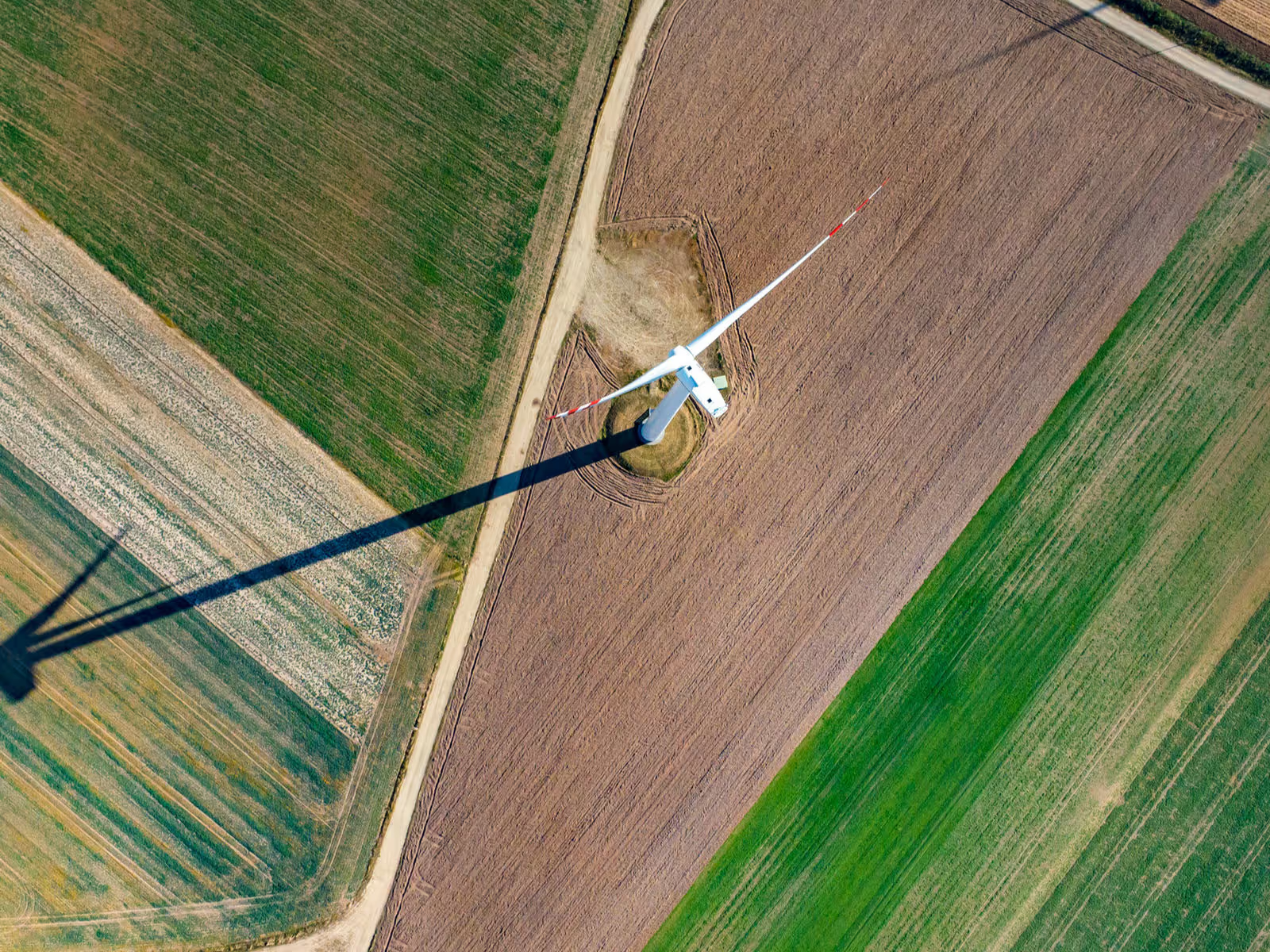
At its core, the 45Z credit incentivizes low-carbon fuel production, and U.S. farmers are key to enabling that shift. Corn and soybeans — particularly soy used for renewable diesel and sustainable aviation fuel (SAF) — are the dominant feedstocks in play.
But there’s a catch. As demand for clean fuel rises, so does demand for the crops behind them. That pressure could stress current crush capacity, especially in areas already operating near limits.
Analysts estimate that more than 5 billion gallons of additional renewable fuel production could be economically viable under 45Z incentives, putting new pressure on U.S. soybean crush capacity.
What does this mean for growers? A return to biofuel-aligned planting strategies. Marginal acres that have shifted to specialty crops or remained idle may rotate back to soybeans or corn, particularly in states like Missouri, Kansas, Arkansas, and parts of the Northern Plains.
These decisions won’t happen uniformly. Proximity to crush facilities, regional climate resilience, and soil quality will all factor in. But the signal is clear: where demand rises, acreage follows.
Why Should Traders and Ag Market Participants Pay Attention?

Once 45Z is finalized, biofuel-linked crop demand will begin shifting well before USDA reports catch up. Traders, hedge funds, grain merchandisers, and insurers will need to reassess:
New market dynamics may also emerge. Analysts anticipate wider pricing spreads between crops with favorable carbon intensity scores and those with higher emissions profiles.
That’s a major consideration for crush operators and export traders navigating global competition, particularly from Brazil, which is expanding its soy-based renewable diesel and corn ethanol production, often at lower cost and with competitive carbon intensity scores.
How Can SatYield Help Monitor These Changes in Real Time?

At SatYield, we use satellite data and AI-powered models to monitor agricultural trends as they happen, not months after the fact. For those navigating the biofuel space, we provide timely visibility into the factors that matter most.
Our platform offers:
When policy meets planting, timing is everything. SatYield bridges the gap between macro-level incentives and field-level realities.
What Happens Once the 45Z Credit Becomes Law?
When the 45Z clean fuel production credit is officially rolled out, it won’t just change the tax landscape. It will shape planting strategies, influence input demand, and redefine what it means to grow “energy crops.”
The ripple effects will reach beyond ethanol plants and renewable diesel refineries. They’ll show up in seed sales, fertilizer use, harvest timing, and grain flows. With more volatility and more upside, traders and investors will need sharper tools.
SatYield’s mission is to give you that clarity. From the moment a policy shifts to the day the combine rolls, we’re here to help you see what’s happening in the field before it shows up on a balance sheet.
Get in touch to see how leading traders are using SatYield to anticipate biofuel-driven crop shifts before they show up in USDA reports.
more from the blog