
Market Analysis
Simulating Real-World Environments with AI: The Future of Agriculture
In a rapidly evolving technological landscape, artificial intelligence (AI) is redefining how we approach complex natural phenomena. One of the most exciting innovations in this space is the ability of AI models to simulate real-world physical environments with remarkable accuracy. By incorporating concepts like digital twins—virtual replicas of physical systems—these models are unlocking new possibilities in agriculture, climate science, and urban planning.
This blog post explores how AI-driven simulations can revolutionize agricultural practices, focusing on the potential of digital twins to mitigate risks, optimize resources, and accelerate innovation.
What is a Digital Twin?
A digital twin is a virtual representation of a real-world system, built by integrating data from various sources, including weather patterns, soil conditions, and plant growth metrics. This concept allows researchers and practitioners to create a dynamic, interactive model that mirrors the physical environment. By testing scenarios in the virtual world and comparing them to real-world outcomes, digital twins enable the validation and refinement of AI models.
AI Models and Agriculture: A Powerful Combination
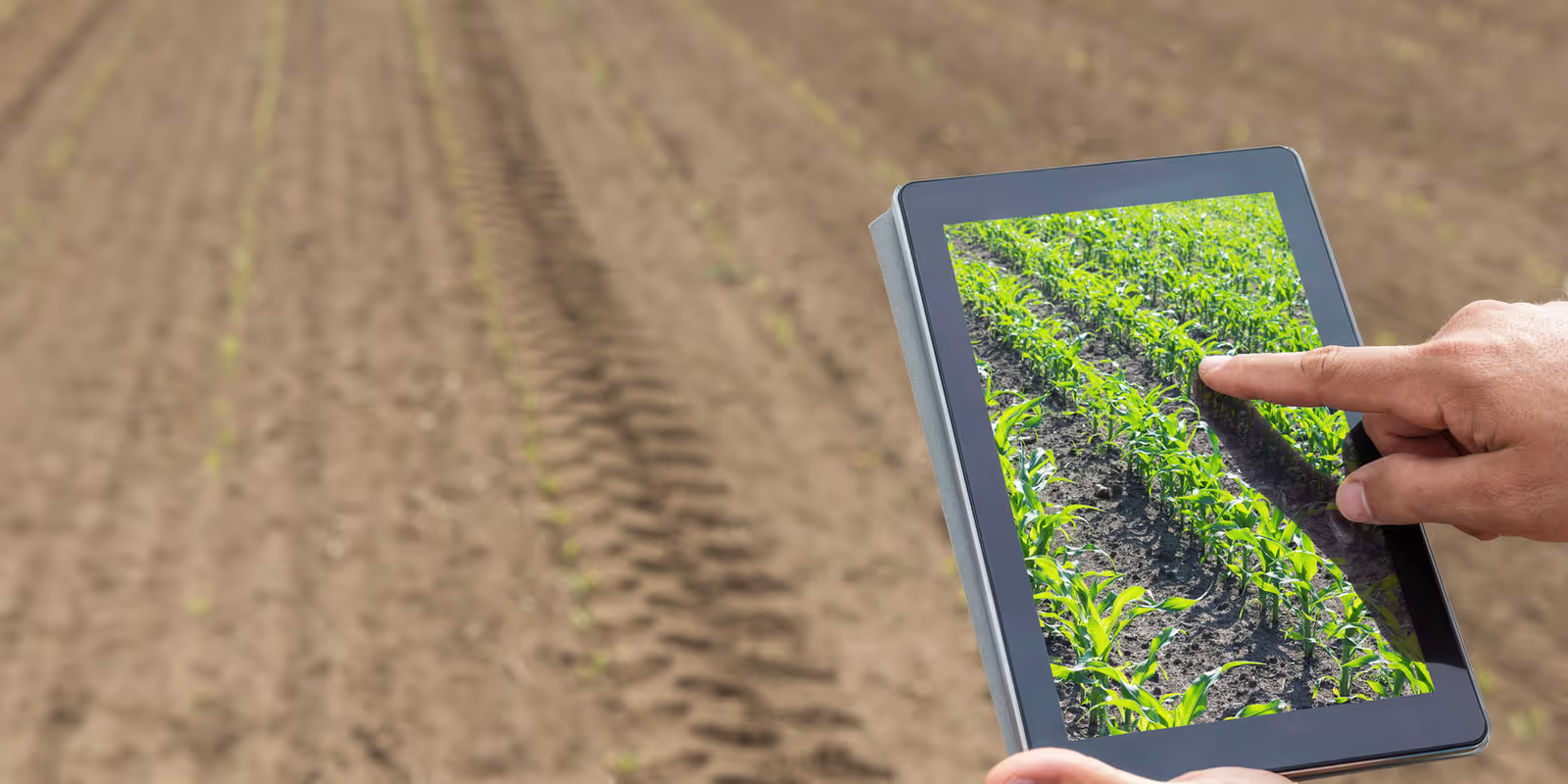
Agriculture, a field deeply influenced by unpredictable weather and environmental variables, stands to benefit immensely from AI-driven digital twin technology. By simulating crop growth, weather patterns, and management practices, digital twins allow for a deeper understanding of agricultural ecosystems.
Imagine an agronomist testing a new drought-resistant corn variety in a region with erratic weather. Traditionally, this would require risky field trials that could result in crop failure. With digital twin technology, the process becomes more efficient and less risky:
This approach reduces risks, optimizes resource use, and accelerates the adoption of innovative agricultural practices.
SatYield and the Digital Twin Advantage
SatYield is at the forefront of leveraging AI models and digital twin concepts to transform agriculture. By integrating satellite imagery, remote sensing data, and machine learning algorithms, SatYield provides accurate, real-time insights into crop health, yield potential, and environmental risks. Here's how:
Benefits of Digital Twin Technology in Agriculture
The integration of AI and digital twins offers numerous advantages:
Real-World Applications and Future Implications
Digital twins aren’t just theoretical concepts—they are already being used to address real-world challenges. For example:
As these technologies continue to evolve, their applications will expand, offering even greater value to the agricultural sector and beyond.
Why SatYield?
SatYield’s cutting-edge platform exemplifies the potential of AI and digital twin technology in agriculture. By combining advanced modeling with real-time data, SatYield delivers actionable insights that empower farmers, traders, and policymakers to navigate the complexities of modern agriculture with confidence.
Ready to revolutionize your approach to crop management and risk assessment? Visit SatYield today to learn how our innovative solutions can transform your agricultural operations.
more from the blog